

A practical opening plan
- First Move
- Map the academy candidate behind each first-team responsibility before recruiting.
- Watch Out
- A new signing can close the very playing pathway this career is meant to create.
Editorial opening brief reviewed 8 November 2026. Source-specific club and player dates remain separate.
1. Audit the starting position
Map the responsibilities already occupied by senior players before promoting another prospect. Keep a separate route for a player who needs immediate first-team exposure and one who is still learning a position.
2. Choose the first commitment
Use a rolling two-season depth chart. Identify which role could open, what the younger alternative needs to learn and who covers matches while that development takes place.
3. Set the review point
Judge the project on appropriate opportunities as well as results. Record actual appearances and responsibilities rather than assuming a familiar academy name will fulfil its reported potential.
Before accepting the job, read the board’s actual objectives, available competitions and responsibility settings. This briefing deliberately leaves starting transfer budgets, wages, in-game reputation and mandatory board expectations unfilled: none has been established by a verified FM27 club export.
Tactical direction to investigate
Try a 4-3-3 only if the available holding player can protect central space while the other midfielders support progression. The club name alone does not supply that cover.
Watch where the team loses possession and how the remaining players cover the transition. Make one focused change, retain the original plan and compare several matches with their context. These are teaching questions; they carry no claimed win rate or official club endorsement.
Compare the four teaching formations →Youth and development checks
Check the academy players and facilities in the selected FM27 database. This profile does not assign a numerical youth-facility rating or promise an intake quality.
Build an academy-to-first-team pathway →Squad strengths, weaknesses and tactical fit
Use these club-specific editorial prompts against your loaded squad. The published player sample is incomplete; these are not verified full-squad ratings.
Strengths to use
Use the academy-centred project to set a clear rule: every recruitment decision should leave a documented route for an internal candidate.
Weaknesses to check
Check whether senior and academy creators compete for the same few responsibilities. Several promising names can still leave the holding role without dependable cover.
4-3-3: a direction to investigate
Test the holder’s protection before allowing both eights to advance. A young creator can learn one supporting responsibility without being asked to organise every phase.
What the difficulty score means
1 means a simpler planning project; 5 means more connected decisions and greater need for contingencies. It is a wiki editor’s assessment, not an official game value, budget or prediction of results. The score depends on the project described here.
4/5An academy pathway must survive the pressure to solve first-team vacancies immediately.Recruitment brief and career milestones
These are editable planning suggestions. Set the actual target after checking your save; they are not official board demands or a claim about the complete starting squad.
What to inspect before recruiting
Inspect the cover behind the holding midfielder before adding another creator. The linked sample cannot establish the complete squad’s weakest position.
Contract-renewal priorities to inspect
Compare a senior renewal with the academy role it would occupy. Keep enough central protection while leaving a credible first-team pathway; inspect the actual expiry and demand before deciding.
Editorial release-season checklist · reviewed 11 November 2026. Verify actual expiry dates, terms and squad availability in the selected save.
First-season process goal
Give one eligible prospect an appropriate senior responsibility and review the appearances actually available.
Long-term career goal
Build a rolling succession map so an academy opportunity exists before the senior vacancy arrives.
Published player samples associated with this club
These are 25 available reference records, not a full squad or a live club roster. A player’s club, age and ability stay attached to the source snapshot. Groups below must not be merged into one team age structure.
Launch Preview save · 30 Oct 2026
6 published records · sample ages 16–21 · 2026-10-30. No conclusion about the full squad’s average age follows from this sample.

Adult starting-save reference · published 30 Oct
8 published records · sample ages 23–30 · 2026-07-13. No conclusion about the full squad’s average age follows from this sample.
Community Preview reference · observed 8 Nov
11 published records · sample ages 18–34 · 2026-11-08. No conclusion about the full squad’s average age follows from this sample.
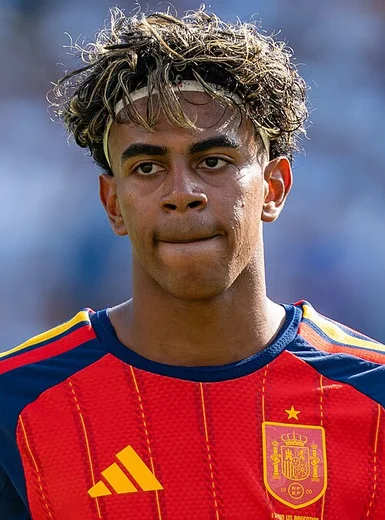 Lamine YamalAMR / MR · source age 18
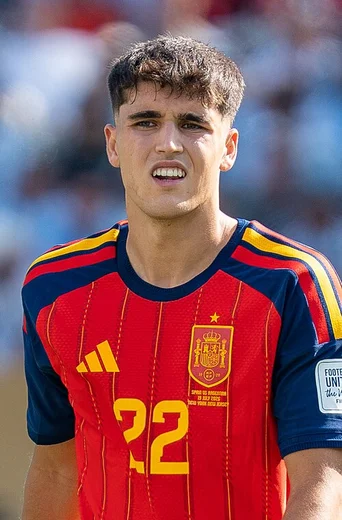 Pau CubarsíDC · source age 19
 GaviMC / DM / AMC · source age 21
 Roony BardghjiAMR / MR · source age 20
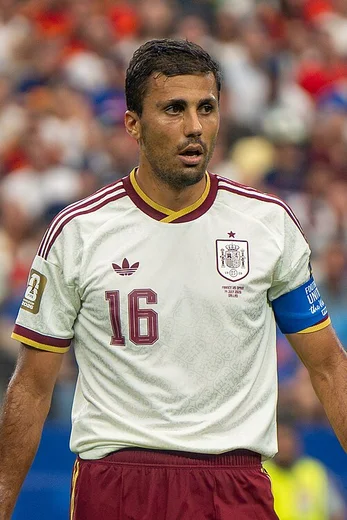 RodriDM · source age 30
 RaphinhaAML / ST / AMR / AMC · source age 29
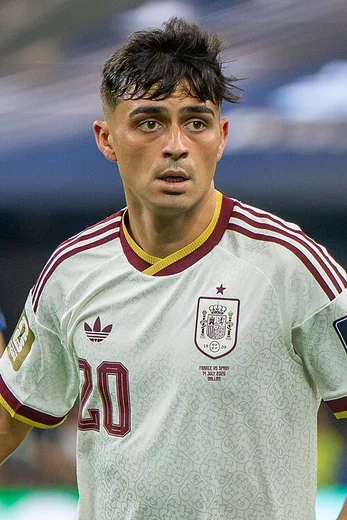 PedriMC / DM / AMC · source age 23
 Dani OlmoAMC / MC · source age 28
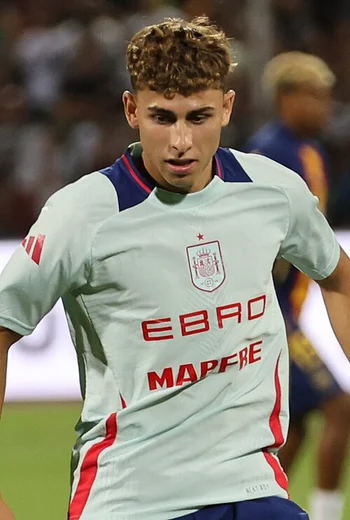 FermínAMC / MC / AMR / MR / ML / AML · source age 23
 Frenkie de JongMC / DM · source age 29
- Marc-André ter StegenGK · source age 34
Keep the project measurable
Choose a first-season process goal, an attainable development opportunity and a longer-term ambition after inspecting the loaded squad. Keep a small review log: the decision, evidence available, expected effect and next review date. A results target chosen before seeing the board’s terms can make an interesting career needlessly restrictive.