

A practical opening plan
- First Move
- Check the outside defenders and wide cover before committing to a back-three plan.
- Watch Out
- An advancing wing-back still needs someone to delay the counter into that channel.
Editorial opening brief reviewed 8 November 2026. Source-specific club and player dates remain separate.
1. Audit the starting position
Inspect the actual central defenders and wide options before choosing a back-three system. A nominal formation should not conceal a missing player who can cover the wide channel.
2. Choose the first commitment
Write down how the team progresses the ball and who stays behind the attack. Review those connections in matches before increasing the number of overlapping movements.
3. Set the review point
Plan alternatives for the roles that have the least cover. A second formation is useful when it solves a real availability problem rather than merely adding another diagram.
Before accepting the job, read the board’s actual objectives, available competitions and responsibility settings. This briefing deliberately leaves starting transfer budgets, wages, in-game reputation and mandatory board expectations unfilled: none has been established by a verified FM27 club export.
Tactical direction to investigate
Compare the teaching 3-4-2-1 with a two-forward alternative in your save. The wiki board illustrates spacing, not an official Inter tactic or a tested winning preset.
Watch where the team loses possession and how the remaining players cover the transition. Make one focused change, retain the original plan and compare several matches with their context. These are teaching questions; they carry no claimed win rate or official club endorsement.
Compare the four teaching formations →Youth and development checks
Check whether younger players have an attainable role in the existing structure. Do not promote a prospect solely to fill a generic squad-number target.
Build an academy-to-first-team pathway →Squad strengths, weaknesses and tactical fit
Use these club-specific editorial prompts against your loaded squad. The published player sample is incomplete; these are not verified full-squad ratings.
Strengths to use
The continuity project provides a useful way to organise responsibilities around an existing back-three plan if the loaded squad supports it.
Weaknesses to check
Check alternatives for both wing-back jobs and the outside centre-backs. Having three central defenders does not prove either wide channel is protected.
3-4-2-1: a direction to investigate
Inspect one creator–wing-back–outside-defender triangle at a time. Keep the far-side outlet without leaving the midfield pair to defend the full width.
What the difficulty score means
1 means a simpler planning project; 5 means more connected decisions and greater need for contingencies. It is a wiki editor’s assessment, not an official game value, budget or prediction of results. The score depends on the project described here.
4/5Wide recovery and central cover must remain coordinated through rotation and injuries.Recruitment brief and career milestones
These are editable planning suggestions. Set the actual target after checking your save; they are not official board demands or a claim about the complete starting squad.
What to inspect before recruiting
Inspect outside-centre-back and wide-cover responsibilities before committing to a back-three blueprint.
Contract-renewal priorities to inspect
Review continuity in outside-defender and wide-cover duties together. An expiring option matters if the current back-three plan has no credible alternative in that responsibility.
Editorial release-season checklist · reviewed 11 November 2026. Verify actual expiry dates, terms and squad availability in the selected save.
First-season process goal
Identify and resolve one repeated transition problem without discarding the whole setup.
Long-term career goal
Maintain an alternative shape for availability changes while retaining clear central protection.
Published player samples associated with this club
These are 16 available reference records, not a full squad or a live club roster. A player’s club, age and ability stay attached to the source snapshot. Groups below must not be merged into one team age structure.
Launch Preview save · 30 Oct 2026
1 published record · sample ages 21–21 · 2026-10-30. No conclusion about the full squad’s average age follows from this sample.
Adult starting-save reference · published 30 Oct
6 published records · sample ages 27–32 · 2026-07-13. No conclusion about the full squad’s average age follows from this sample.
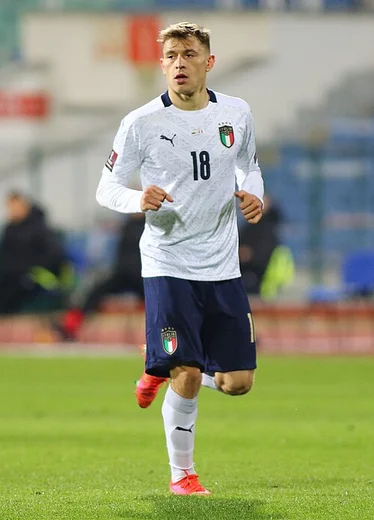
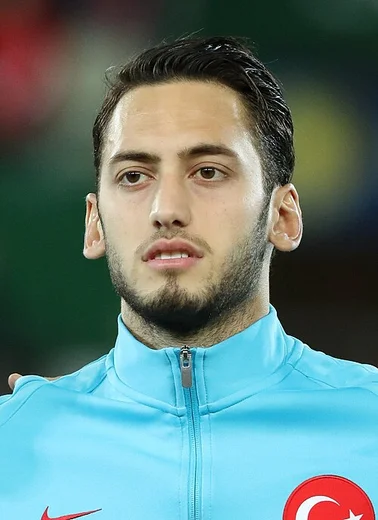
Community Preview reference · observed 8 Nov
9 published records · sample ages 18–37 · 2026-11-08. No conclusion about the full squad’s average age follows from this sample.
 Francesco Pio EspositoST · source age 21
- Aleksandar StankovićMC / DM · source age 20
- Ebenezer AkinsanmiroMC / DM / AMC · source age 21
- Leonardo BovioDC · source age 18
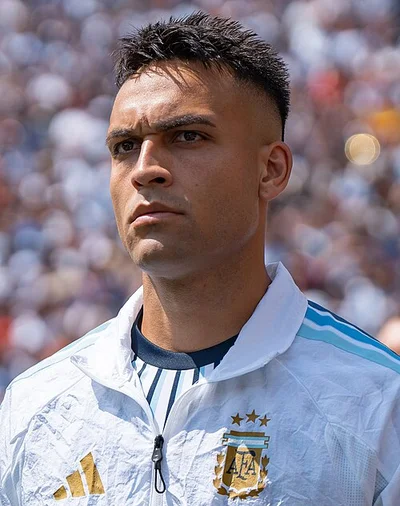 Lautaro MartínezST · source age 28
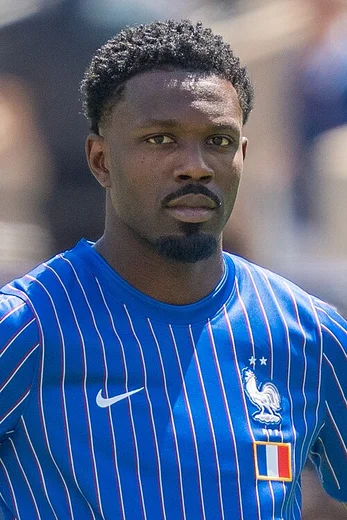 Marcus ThuramST / AML · source age 28
 Federico DimarcoDL / WBL · source age 28
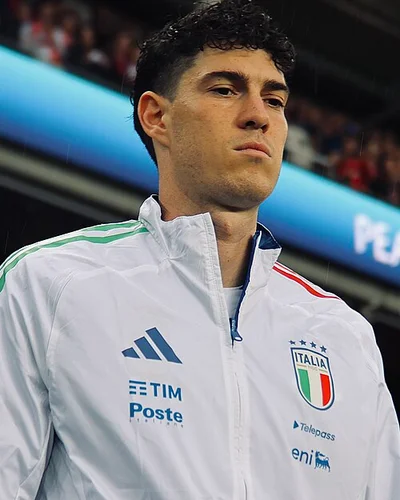 Alessandro BastoniDC · source age 27
- Henrikh MkhitaryanMC / DM · source age 37
Keep the project measurable
Choose a first-season process goal, an attainable development opportunity and a longer-term ambition after inspecting the loaded squad. Keep a small review log: the decision, evidence available, expected effect and next review date. A results target chosen before seeing the board’s terms can make an interesting career needlessly restrictive.